Dental implants are designed to provide stable, long-term tooth replacement, so a loose dental implant needs prompt professional attention.
The movement may come from the crown, the connector beneath it, or the implant post in the jawbone. Each problem has different causes and treatment options
If your implant feels loose, stop chewing on it, leave it alone, and call your dentist for a prompt exam, because only an exam and X-ray can show whether a crown, a connector screw, or the implant post itself is moving.
A loose crown or screw may be repairable without removing the implant, while movement of the implant post requires prompt evaluation.
The good news is that a loose crown or connector is one of the most common implant issues, and it can be corrected without removing the implant.
Key Takeaways
- Protect the area and avoid home repairs until a dentist can examine it.
- A loose crown or screw is usually repairable, while a moving post signals deeper trouble.
- Good cleaning, regular checkups, and a night guard lower the risk of future looseness.
What Should You Do When an Implant Feels Loose?
Your first job is to protect the implant and get it checked soon. The steps below help you avoid making the problem worse and tell you which signs need same-day care.
Stop Chewing on It and Avoid DIY Repairs
Move all chewing to the other side of your mouth. Foods after dental implant surgery such as eggs, yogurt, and soup place less pressure on the area.
Try not to test the tooth with your tongue or finger. Each push can place more stress on the connector and surrounding bone.
Avoid attempting home repairs. This means:
- Do not use superglue or store-bought dental cement on an implant crown.
- Do not use tools to twist or tighten any component.
- Do not file the crown to change your bite.
These actions can damage the components, trap bacteria, or hide important signs your dentist needs to examine. Brush gently around the area.
If your dental team has not advised otherwise, a warm saltwater rinse may help keep it clean until your appointment.
When Should You Seek Urgent Dental Care?
Treat any movement as a reason to call your dentist within a day or two. Some signs mean you should ask for the first open appointment or an emergency visit:
| Warning sign | What it may point to |
| Swelling, pus, or a bad taste | Infection around the implant |
| Gum inflammation or bleeding gums near the implant | Peri-implant disease |
| Pain that grows or throbs | Infection or bone involvement |
| Deep movement that feels like the whole root shifts | A loose implant post |
| A crown that clicks or twists when you bite | A loose screw or connector |
If pain is keeping you up at night, find an emergency dentist for tooth pain to get seen quickly. A loose crown with no pain still counts as a dental emergency in the sense that waiting lets small problems grow.
What Should You Do if the Crown Comes Off?
Save the crown. Rinse it, dry it, and keep it in a small sealed bag or container. Bring it to your visit, since your emergency dentist may be able to clean and reattach it.
Look at the spot where it came off. You may see a metal connector or the top of the implant post. Keep it clean with gentle brushing, and avoid chewing on it, because the bare part can trap food and irritate the gum.
If the screw came out with the crown, save it too. Do not try to push the crown back on or screw it in yourself.
Which Part Is Actually Moving?
An implant tooth has three main parts, and any one of them can feel loose. The post sits in your jawbone like a tooth root. The abutment is the connector that sits on top of the post.
The crown is the visible tooth attached to the abutment, held by cement or a tiny abutment screw.

A Loose Crown or Abutment
A loose implant crown or loose abutment is the most common reason an implant feels wobbly. The post stays firm in the bone, while the parts above it shift.
You may notice a slight click, a twist when you bite, or a crown that rocks side to side. The movement often feels shallow, right at the tooth itself.
This is a mechanical problem. The fix involves the hardware, and it does not mean the implant has failed. Still, a loose crown lets bacteria slip under it and puts uneven pressure on the post, so it needs care soon.
A Loose Implant Post
A loose implant post, also called a loose implant fixture, is more serious. A healthy post fused to bone should not move at all.
When the post moves, the bond between bone and implant has weakened or broken down. People sometimes describe this as a deeper movement, as if the whole root shifts.
You may also notice gum swelling, bleeding, or a gap forming at the gumline.
A post that has lost its bone support cannot be tightened back into place. Your dentist will need to look at the bone and decide on next steps.
Why an Exam Is Needed to Tell the Difference
You cannot reliably tell which part is moving from home. A loose screw and a failing post can feel almost the same, and pain does not track closely with how serious the cause is.
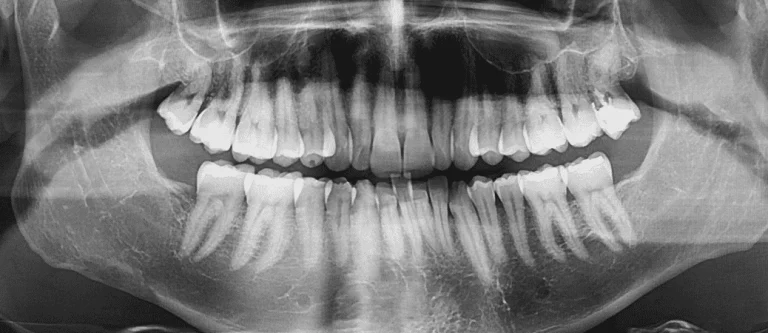
In the chair, your dentist can gently test each part and take an X-ray. Dental imaging helps the dentist evaluate the bone around the implant.
The findings are considered alongside the clinical examination, implant mobility, gum condition, symptoms, and treatment history.
Why Can an Implant Become Loose?
Implants loosen for two broad reasons: hardware wear and changes in the gums or bone. Bite forces and health conditions can push either one along.
Loose Screws, Worn Parts, and Failed Cement
A loosened abutment screw is the most frequent mechanical cause. Every bite sends tiny vibrations through the screw, and over time it can back out a little.
In a six-year study of 1,928 implants, screw loosening happened in 7.2% of implants, most often within six months after the crown was placed. About 22.3% of those cases loosened again, and single crowns had the highest rate at 14.0%.
Other hardware causes include:
- Cement failure: On a cemented crown, the dental cement can wear down and let the crown lift.
- Worn abutment: Years of chewing can wear the connector so parts no longer fit snugly.
- Cracked crown: A fracture can make the whole tooth feel unstable.
Infection, Bone Loss, and Failed Osseointegration
Peri-implantitis is one possible biological cause of bone loss around an implant. It involves inflammation in the tissues surrounding the implant and progressive loss of supporting bone.
Poor oral hygiene, smoking, a history of periodontal disease, and other risk factors may contribute.
The early gum-only stage, called peri-implant mucositis, can often be reversed. Once bone loss begins, treatment becomes more involved. Gum disease elsewhere in your mouth and receding gums raise this risk.
Researchers have also linked some of this bone loss to problems with the implant components, such as loose parts, which is one more reason to fix a loose screw early.
Osseointegration is the process of bone fusing to the post during healing. Failed osseointegration means that a stable bond between the implant and bone did not develop or was later lost.
This problem can occur during healing or after the implant has been in function.
Poor bone quality or too little bone raises the risk. If you have been told you have thin bone, our page on dental implants with bone loss explains how this is handled.
Grinding, Bite Pressure, and Healing Risks
Teeth grinding, or bruxism, puts heavy, repeated force on an implant, often at night when you do not notice. That stress can loosen screws and, over many years, strain the bone.
An uneven bite does something similar. If the implant crown hits first when you close, it takes more than its share of force. Excessive biting forces from chewing ice or hard candy add to the load.
Health also plays a role. Uncontrolled diabetes, smoking, and other systemic health issues slow healing and weaken the body’s defense against infection, which raises the chance of both failed bonding early and bone loss later.
How Does a Dentist Diagnose and Treat the Problem?
Your dentist finds the moving part first, then matches the fix to the cause. Hardware problems are often repaired in one visit, while bone or infection problems take longer and sometimes need an implant specialist.

Checking the Components, Bite, Gums, and Bone
Expect a careful, step-by-step exam. Your dentist will:
- Ask when the movement started and whether you have pain, a bad taste, or bleeding.
- Gently test the crown, connector, and post for movement.
- Measure the gum pockets around the implant and look for swelling or pus.
- Check how your teeth meet when you bite and grind side to side.
- Take an X-ray to look at the bone around the post.
Bring your implant records if the work was done elsewhere. Knowing the implant brand helps your dentist order matching screws and tools.
If this is your first time with a new office, our first visit expectations page shows what the appointment looks like.
Repairing a Crown or Abutment Connection
When the post is solid, repair focuses on the parts above it. For a screw-retained crown, your dentist reaches the screw through a small access hole in the crown, removes it, cleans the parts, and tightens it with a torque wrench to the maker’s set force.
A worn screw is often swapped for a new one.
For a cemented crown, the dentist removes the crown, cleans off old cement, and recements it. A worn connector or cracked crown may need replacing.
These repairs fall under restorative dentistry, and many are finished in a single visit.
Your dentist may also adjust your bite so the implant no longer takes extra force, which helps keep the screw from loosening again.
Treating Infection or an Unstable Implant Post
Infection treatment depends on how far it has gone. Early gum inflammation is treated with a deep cleaning around the implant and better home care.
When supporting bone is affected, treatment depends on the extent and pattern of bone loss, implant stability, and other clinical findings.
Care may involve professional decontamination, nonsurgical or surgical treatment, and selected regenerative procedures.
These steps can save an implant that is still firm in the bone. They cannot reattach a post that already moves. A mobile post is a sign of dental implant failure, and the usual path is implant removal and replacement.
That process has stages. The dentist removes the post, lets the site heal, may place a bone graft, and then place a new implant once the bone is ready.
This can take several months, and the goal is a stronger base for the new dental implants.
How Can You Reduce the Risk of Future Looseness?
Daily cleaning and protection from heavy force prevent most of the problems that loosen implants. Both habits are simple to keep up once they become routine.
Clean Around the Implant and Keep Dental Checkups
Plaque around the gumline is what starts peri-implant disease, so good oral hygiene comes first. Brush twice a day with a soft brush, angling the bristles toward the gum.
Floss alone can miss the curved surfaces around an implant. These tools help:
- Water flosser: Flushes food and plaque from under the crown edge.
- Interdental brush: Slips between the implant and nearby teeth to scrub the sides.
- Implant floss or super floss: Has a stiff end that threads under bridges and crowns.
Keep regular dental cleanings and exams. Your hygienist uses instruments that will not scratch the implant, and your dentist can catch a slightly loose screw before you feel it.
Most people with implants do well with visits every six months, and some need them more often.
Protect the Implant From Grinding and Excessive Force
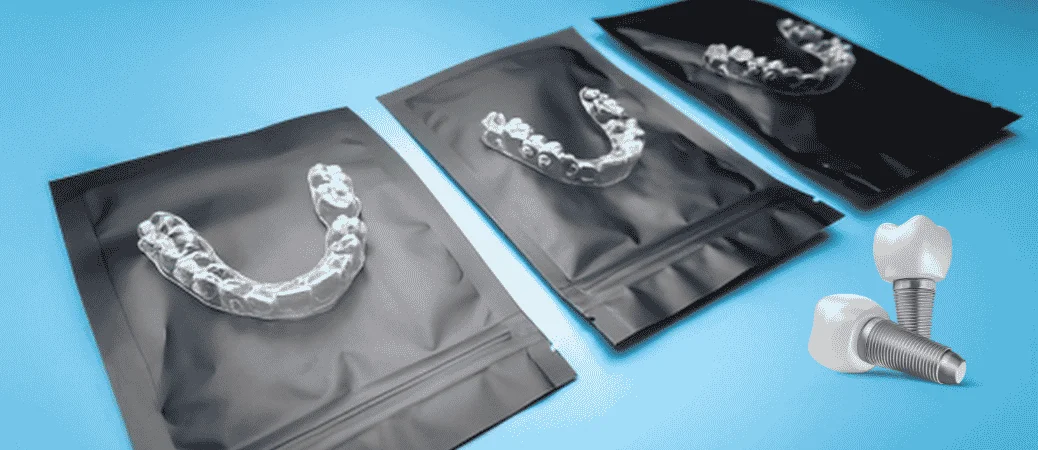
If you grind or clench, ask your dentist whether a custom night guard could help protect your teeth and implant restoration from excessive forces.
Over-the-counter guards fit loosely and wear quickly, so a fitted guard lasts longer.
A few daily habits help as well:
- Avoid chewing ice, hard candy, or popcorn kernels.
- Do not use your teeth to open packages.
- Wear a mouthguard for contact sports.
- Mention any change in your bite at your next visit.
If you have additional missing teeth, your dentist can evaluate how the gaps affect your bite and discuss whether single-tooth dental implants or another restoration may be appropriate.
Prompt Care Gives Your Implant the Best Chance
A loose dental implant is worth a phone call right away, even when it does not hurt. Most often the cause is a crown, cement, or connector screw, and those repairs can be quick.
A moving post or signs of infection need faster care, because bone loss gets harder to manage the longer it goes on.
Until you are seen, chew on the other side, keep the area clean, and leave every part where it is. Write down when you first noticed the movement and any symptoms such as bleeding or a bad taste.
Bring that note and any saved crown or screw to your visit, and your dentist will have what they need to find the cause quickly.
Frequently Asked Questions
Can a loose dental implant be saved?
Many can, especially when the crown, connector, or screw is the moving part. If infection is caught while the post is still firm, deep cleaning and other treatment can help keep it.
A post that already moves in the bone is usually removed and replaced after healing.
Can a loose implant crown be tightened?
Yes, if the crown is held by a screw and the post is stable. Your dentist reaches the screw through a small hole in the crown and tightens it to the correct force, often with a new screw.
A cemented crown is cleaned and recemented instead.
Is a slightly moving implant an emergency if it does not hurt?
It needs prompt care even without pain. Painless movement can still come from a loose post or early bone loss. Call your dentist within a day or two, and sooner if you notice swelling, bleeding, or a bad taste.
Why would a dental implant become loose after two years?
Late looseness often comes from a screw that has slowly backed out, worn parts, or failed cement. It can also come from peri-implantitis, grinding, or a bite that has shifted over time.
An exam and X-ray show which one applies to you.
How much does it cost to fix a loose dental implant?
The cost depends on which component is loose, whether replacement parts are needed, and whether infection or bone loss is present. Request a written estimate after the dentist identifies the cause.