Getting dental implants is a big step toward restoring your smile, but what you eat during recovery matters just as much as the surgery itself.
The first two weeks are critical for healing, and your food choices can either support or slow down the process. You might feel unsure about what’s safe to eat or worried about causing pain or damaging your new implants.
During the first 14 days after dental implant surgery, you should start with liquids and ultra-soft foods for the first 48 hours, gradually introduce soft nutritious options like mashed potatoes and scrambled eggs during days 3 to 7, and carefully expand your diet with tender foods during the second week.
Your diet after dental implant surgery plays a major role in how well your body heals and how comfortable you feel during recovery.
This guide will walk you through exactly what to eat each day, which foods to avoid, and practical tips to make eating easier while protecting your healing implants.
You’ll learn about foods after dental implant surgery that will nourish your body without putting stress on the surgical site, so you can heal faster and get back to enjoying your favorite meals.
Key Takeaways
- Start with liquids only for the first 48 hours, then gradually add soft foods as healing progresses
- Avoid hard, crunchy, sticky, spicy, and acidic foods that can irritate or damage the implant site
- Focus on nutrient-rich soft foods like eggs, yogurt, and mashed vegetables to support healing after dental implants
Table of Content
- Understanding Post-Implant Healing and Dietary Impact
- First 48 Hours: Liquids and Ultra-Soft Foods
- Days 3 to 7: Soft and Nutritious Options
- Second Week: Expanding Your Diet With Caution
- Foods and Habits to Avoid for Optimal Healing
- Tips for Easier Eating and Faster Recovery
- Frequently Asked Questions
Understanding Post-Implant Healing and Dietary Impact
Your body goes through specific healing phases after dental implant surgery, and the foods you choose directly affect how well your implant integrates with your jawbone.
Understanding these healing stages helps you make better dietary choices that support recovery rather than delay it.

Why Diet Matters for Healing After Dental Implants
Your diet plays a direct role in how quickly and successfully you heal after dental implant surgery.
The foods you eat provide the nutrients your body needs to repair damaged tissue, reduce swelling, and fight off potential infections.
Protein helps rebuild gum tissue around the implant site. Vitamins C and D support bone formation and immune function. Calcium strengthens the jawbone as it fuses with your implant.
Beyond nutrition, the texture and temperature of your food matter just as much. Hard or crunchy foods can put pressure on the surgical site and disturb the delicate healing process.
Hot foods may increase blood flow and cause more swelling. Sticky foods can pull on stitches or get trapped around the implant.
Choosing soft, nutrient-dense foods protects the implant while giving your body what it needs to heal properly. This isn’t just about comfort. It’s about creating the best conditions for your implant to succeed long-term.
Stages of Healing: Osseointegration Explained
Osseointegration is the process where your jawbone grows around and fuses with the dental implant. This biological process typically takes three to six months to complete, though early healing happens much faster.
During the first 24 to 72 hours, a blood clot forms at the surgical site. This clot protects the area and starts the healing process.
Over the next two weeks, your gum tissue begins to close around the implant while inflammation decreases.
The real osseointegration work happens beneath your gums. Your bone cells start growing toward the implant surface within days of surgery.
New bone tissue gradually forms and anchors the implant in place. This is why protecting the surgical site during the first few weeks is critical for long-term success.
Your diet during these early stages directly impacts how smoothly osseointegration progresses.
Eating foods that require minimal chewing reduces stress on the implant and allows your body to focus energy on healing rather than managing irritation or inflammation.
First 48 Hours: Liquids and Ultra-Soft Foods
The first two days after your procedure are critical for protecting the surgical site and starting the healing process right.
You’ll need to stick with cold or lukewarm liquids and foods that require zero chewing to avoid disturbing the area where your implant was placed.

Recommended Foods and Beverages
Your best options during this initial period are cold liquids and ultra-soft foods that won’t irritate your mouth. Water should be your go-to beverage throughout the day to stay hydrated.
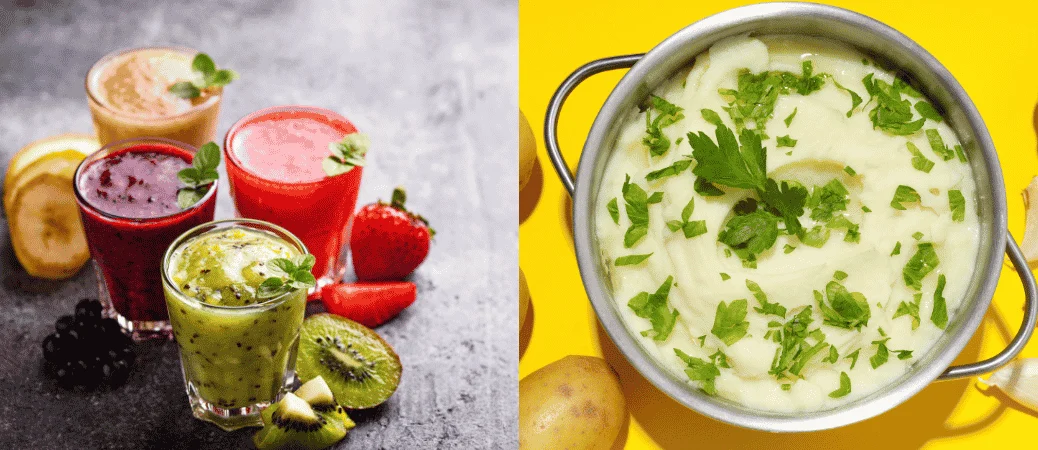
Protein shakes and meal replacement shakes are excellent choices because they give you nutrition without requiring any chewing. Smoothies work well too, as long as you don’t use a straw to drink them.
Clear broths provide comfort and hydration while being gentle on your surgical site. You can also enjoy yogurt, applesauce, and pudding since these foods are naturally soft and easy to swallow.
Other safe options include:
- Milk (cold or lukewarm)
- Gelatin desserts
- Mashed potatoes (once cooled to lukewarm)
- Ice cream (in moderation)
Make sure everything you consume is either cold or lukewarm, never hot.
Best Practices for Comfort and Protection
Keep your head elevated while resting to help reduce swelling around the implant site. This simple step can make a big difference in your comfort level.
Eat slowly and be mindful of where the implant was placed. Try to keep food away from the surgical area as much as possible.
Stay hydrated throughout the day by sipping water regularly. Proper hydration supports your body’s natural healing process and helps prevent complications.
If you’re taking pain medication or antibiotics, follow the instructions about eating after dental implant surgery that came with your prescriptions. Some medications work better with food in your stomach.
Foods and Habits to Avoid Early On
Hot beverages are off-limits for at least the first 48 hours. This includes coffee after dental implant surgery, tea, and hot soups. Heat can increase blood flow to the surgical site and cause more swelling or bleeding.
Never use a straw during this period. The suction created when you drink through a straw can dislodge the blood clot that’s forming at your implant site, leading to serious complications.
Alcohol should be completely avoided, especially if you’re taking antibiotics or pain medication. It can interfere with healing and interact badly with your medications.
Foods to avoid after dental implant surgery include anything hard, crunchy, or that requires significant chewing. Skip chips, nuts, raw vegetables, and crusty bread entirely.
Sticky foods like caramel or chewing gum can pull at the surgical site. Spicy foods will irritate your sensitive tissues and cause unnecessary discomfort.
Days 3 to 7: Soft and Nutritious Options
By day three, you can add more variety to your meals while still protecting the implant site.
This period focuses on introducing soft, nutritious foods that provide protein, vitamins, and minerals to support healing without putting pressure on the surgical area.
Easiest Soft Foods to Eat
Scrambled eggs are one of the best options during this phase because they’re protein-rich, easy to chew, and gentle on your healing gums. You can cook them soft and add cheese for extra calcium and flavor.
Mashed potatoes work perfectly when you need something filling that requires zero chewing effort. Mix in butter, sour cream, or gravy to keep them moist and add calories your body needs for recovery.
Oatmeal provides fiber and keeps you full, but let it cool to lukewarm before eating. You can add mashed banana or a spoonful of honey for sweetness without creating any texture that might irritate the implant site.
Other easy choices include well-cooked pasta with smooth sauce, refried beans, cottage cheese, and soft fish like tilapia or salmon.
Tofu is another excellent protein source that requires minimal chewing and can be added to soups or blended into smoothies.
Nutrient-Focused Choices for Recovery
Your body needs specific nutrients to heal properly after dental implant surgery. Protein supports tissue repair, so focus on Greek yogurt, soft cheeses, and ground meat that’s been cooked thoroughly.
Soft fruits like bananas, ripe melons, and applesauce deliver vitamin C, which helps build collagen and strengthen gum tissue around your implant. You can also try canned peaches or pears as long as they’re very soft.
| Nutrient | Why You Need It | Best Soft Food Sources |
| Protein | Tissue repair and healing | Scrambled eggs, Greek yogurt, tofu, soft fish |
| Vitamin C | Collagen formation | Mashed sweet potato, banana, melon |
| Calcium | Bone integration | Cottage cheese, yogurt, milk |
| Iron | Blood cell production | Well-cooked spinach, lentil soup, fortified oatmeal |
Tender chicken that’s been cut into small pieces works well by day five or six. Just make sure you chew on the opposite side from your implant.
Dishes to Limit or Avoid
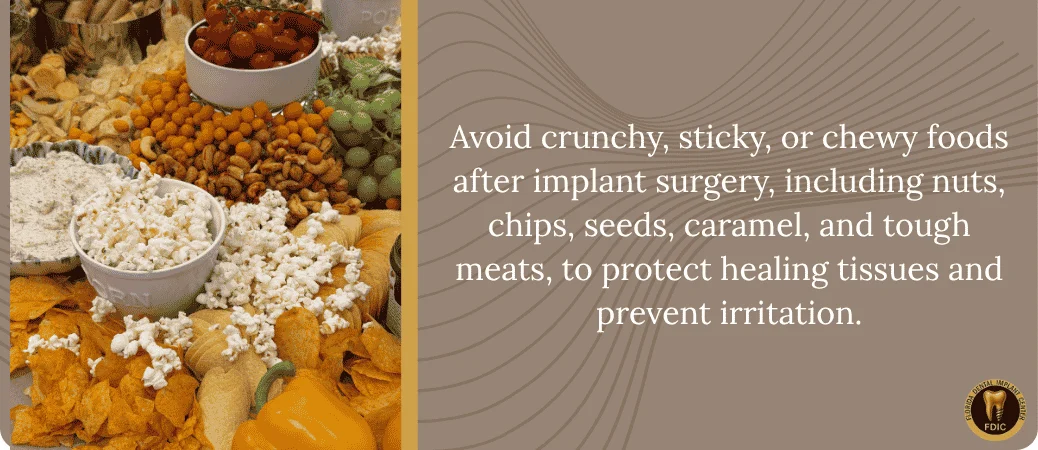
Foods to avoid after dental implant surgery during this week include anything crunchy, sticky, or requiring heavy chewing. Skip nuts, popcorn, chips, and raw vegetables completely.
Sticky foods like caramel, taffy, or gummy candy can pull at the healing gum tissue and get lodged around the implant healing cap. Even peanut butter can be too sticky if it’s the thick, natural kind.
Seeds from bread, crackers, or fruits like raspberries can get trapped in the surgical site and cause irritation or infection. Check ingredient lists and avoid anything with sesame seeds or poppy seeds.
Chewy foods put too much pressure on your jaw and the implant area. Stay away from steak, tough cuts of meat, bagels, and chewy bread crusts until at least week two.
Ground or shredded meat is a better option during days three through seven.
Second Week: Expanding Your Diet With Caution
During the second week of recovery, you can start adding more variety to your meals while still protecting your healing implants.
This phase focuses on gradually introducing soft solids that require minimal chewing and won’t put pressure on the surgical site.
Transitioning to Soft Solids
Your mouth has made significant progress in healing, which means you can move beyond purely liquid meals. You can now include foods that have more substance but still break apart easily in your mouth.
Soft pasta and soft rice become safe options during this period, as long as they’re well-cooked and tender.
You’ll want to chew on the opposite side of your mouth away from the implant site. Start with small portions of new foods to test how your mouth responds.
If you experience any pain or discomfort, switch back to softer options for another day or two.
Safe foods to introduce:
- Scrambled eggs
- Mashed vegetables like carrots, squash, and sweet potatoes
- Well-cooked lentils
- Cottage cheese
- Oatmeal
- Soft fruits such as bananas, peaches, and ripe pears
Sample Meal Ideas and Recipes
Planning your meals ahead makes following healing guidelines after dental implants much easier. These meal ideas provide the nutrients you need while staying gentle on your mouth.
Breakfast options: Prepare oatmeal with mashed banana and a spoonful of smooth peanut butter. You can also make scrambled eggs with soft cheese mixed in for extra protein.
Lunch ideas: Try a bowl of soft rice with well-cooked lentils and mashed vegetables. Creamy tomato soup paired with very soft pasta also works well.
Dinner suggestions: Ground turkey or chicken mixed with mashed sweet potatoes gives you protein without requiring much chewing. Flaky fish like salmon or tilapia falls apart easily and pairs nicely with pureed vegetables.
Guidelines for Introducing New Foods
When considering what to eat after dental implant surgery, take a cautious approach to prevent complications. Add only one new food at a time so you can identify anything that causes problems.
Test each new food by taking small bites first. If the food requires any significant chewing force or feels uncomfortable, wait a few more days before trying again.
Keep foods at room temperature or slightly warm—avoid anything too hot that might irritate the surgical area.
Continue avoiding hard, crunchy, sticky, or spicy foods completely. Skip chips, nuts, raw vegetables, crusty bread, and chewy candies.
Don’t use straws, as the suction can still disrupt healing after dental implant surgery during this critical period.
Foods and Habits to Avoid for Optimal Healing
Protecting your surgical site means staying away from certain foods and habits that can disrupt healing, dislodge blood clots, or put pressure on the implant.
The main culprits are hard textures that require heavy chewing, sticky items that can pull at the surgical area, and extreme temperatures that interfere with early recovery.
Hard or Crunchy Foods
Hard and crunchy foods can damage the surgical site and prevent proper healing during your first two weeks. Foods to avoid after dental implant surgery include nuts, chips, popcorn, raw carrots, and hard pretzels.
Stay away from these hard foods:
- Nuts and seeds (almonds, sunflower seeds, sesame seeds)
- Raw vegetables (carrots, celery, broccoli)
- Hard bread crusts and bagels
- Popcorn kernels
- Ice cubes
- Hard candy
Steak and other tough meats should wait until week two at the earliest. Even then, you should cut them into small pieces and chew on the opposite side from your implant.
Seeds can lodge in the gum tissue around your healing implant and cause irritation or infection.
Sticky, Chewy, and Spicy Offenders
Sticky and chewy foods can pull at your surgical site and disturb the healing process. Caramel, gum, taffy, and gummy candies all pose risks during your recovery period.
Avoid these sticky and spicy items:
- Chewing gum
- Caramel and toffee
- Dried fruit
- Peanut butter (especially chunky)
- Spicy sauces and seasonings
Spicy foods should be avoided for at least the first week because they irritate healing tissue and can cause discomfort at the implant site.
The heat from peppers and hot sauces can also increase inflammation. Sticky foods are problematic because they require extra effort to chew and can get stuck in the surgical area where they’re hard to clean.
Temperature and Texture Traps
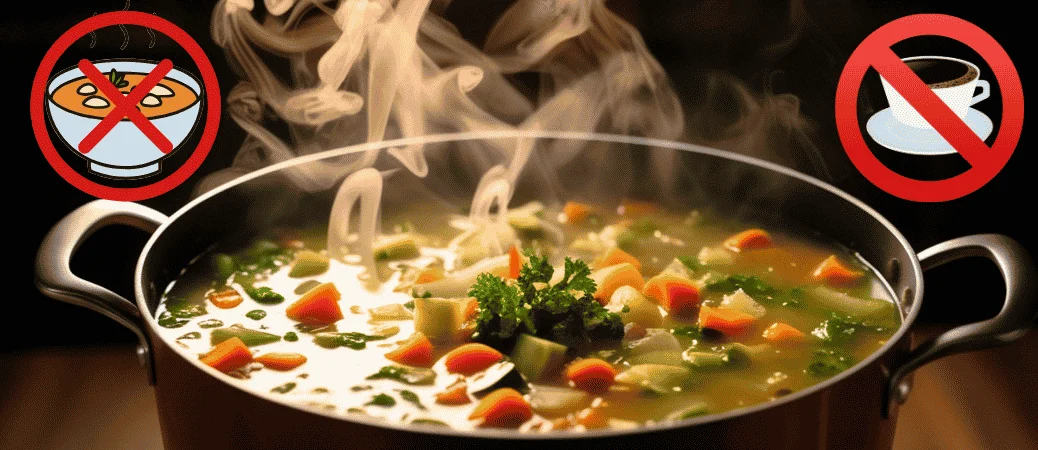
Hot beverages and very hot foods can dislodge the protective blood clot during your first 24 to 48 hours. This clot is essential for proper healing.
Let your coffee, tea, and soup cool to lukewarm before consuming them. Cold foods like ice cream are actually better choices early on because they can help reduce swelling.
Alcohol is the one absolute no during recovery. It interferes with antibiotics, dilates blood vessels which worsens swelling, and slows tissue healing.
You should avoid alcohol completely while taking antibiotics and ideally for the full two weeks.
Don’t use straws for at least 7 to 10 days. The suction can pull out your blood clot and cause complications similar to dry socket. Sip directly from a cup or use a spoon for smoothies instead.
Tips for Easier Eating and Faster Recovery
Planning your meals ahead and knowing what your body needs makes recovery smoother and less stressful. These practical steps help you eat comfortably while giving your implant the best chance to heal properly.
Meal Preparation and Planning Ahead
Stock your kitchen before surgery so you don’t have to worry about food shopping during recovery. Fill your freezer with portions of blended soups, broths, and smoothie ingredients that you can grab easily.
Prepare batches of mashed potatoes, scrambled eggs, and cooked oatmeal in advance. Store them in small containers so you can reheat individual servings without handling hot pots multiple times.
Keep a cooler or small fridge near your resting area with yogurt, applesauce, and protein shakes within reach. This saves you trips to the kitchen when you’re tired or uncomfortable.
Use a blender or food processor to turn regular meals into smooth textures during the first few days. Blend cooked vegetables with broth or puree fruits with yogurt to create meals that require no chewing.
Label containers with dates so you know what to eat first.
Maintaining Nutrition During Restrictions
Your body needs protein, vitamins, and minerals to heal after surgery. Even on a liquid or soft food diet after dental implant surgery, you can meet these needs with smart choices.
Add protein powder to smoothies or mix it into mashed potatoes for extra healing support. Greek yogurt, eggs, and blended chicken or fish provide protein without tough textures.
Include soft fruits like bananas and cooked vegetables such as carrots or squash for vitamins A and C. These nutrients support tissue repair and reduce inflammation.
Bone broth offers collagen and minerals that strengthen healing bones.
Stay hydrated by sipping water throughout the day. Avoid sugary drinks that can increase bacteria around the surgical site. Herbal teas at room temperature work well too.
Take any vitamins or supplements your dentist recommends to fill nutritional gaps during restrictions.
When to Resume Normal Eating Habits
Most people wonder how long after dental implants can I eat normally, and the answer depends on your healing progress.
Typically, you can start adding firmer foods around two weeks after surgery, but always check with your dentist first.
Start by cutting food into very small pieces and chewing slowly on the opposite side of your mouth. If something causes pain or pressure, return to softer options for a few more days.
Pay attention to how your mouth feels during eating after dental implant meals. Swelling, bleeding, or discomfort means you’re moving too fast.
Keep up with oral hygiene by gently rinsing with salt water after meals to keep the area clean without brushing directly on the surgical site.
Schedule regular dental check-ups so your dentist can monitor healing and tell you when it’s safe to return to your normal diet completely.
Frequently Asked Questions
Patients often wonder which specific foods work best during recovery and when they can return to their regular diet. The answers depend on where you are in the healing timeline and how your body responds to surgery.
Which soft foods are easiest to eat in the first week after dental implant surgery?
Yogurt, scrambled eggs, and mashed potatoes are among the easiest foods to manage during early recovery. These options require minimal chewing and won’t irritate the surgical site.
Smoothies work well if you eat them with a spoon instead of using a straw. Applesauce, pudding, and lukewarm soup are other gentle choices that provide nutrition without putting pressure on your healing gums.
Ice cream and cottage cheese offer protein and calcium while feeling soothing on tender areas. Just make sure everything stays cool or lukewarm for the first 24 to 48 hours to avoid disturbing the blood clot.
What are some no-chew meal ideas I can follow after getting dental implants?
Protein shakes eaten with a spoon give you nutrients without any chewing required. You can blend cooked oatmeal until it’s completely smooth or eat plain yogurt mixed with mashed banana.
Pureed soups like butternut squash or tomato basil work perfectly when cooled to room temperature. Avoid chunky soups in the first few days since even soft vegetable pieces might require some jaw movement.
Jell-O, custard, and blended fruit smoothies round out your no-chew options. You can also try baby food pouches if you need convenient meals that require zero preparation.
Why do some dentists recommend avoiding dairy right after implant surgery?
This recommendation is actually a misconception that many patients hear. Dairy products are safe to eat after dental implant surgery and don’t interfere with healing.
Some confusion may come from older dental advice related to other procedures. The only food you truly need to avoid is alcohol, especially when you’re taking antibiotics that your dentist prescribes.
Cool yogurt and ice cream are actually helpful during recovery because they’re soft and protein-rich. These dairy foods can soothe your surgical site while giving your body the nutrition it needs to heal.
When can I start eating normal foods again after dental implant surgery?
You can begin adding firmer textures during the second week after surgery. Most patients return to eating regular foods within two to three weeks, though you should still chew on the opposite side from your implant.
The healing cap that covers your implant protects it from heavy chewing pressure during the full integration period.
You’ll get your permanent crown placed after three months for lower jaw implants or four to five months for upper jaw implants.
Once the crown is in place, you can chew normally on that side again. Until then, stick with softer foods on the implant side and save tougher items like steak for the other side of your mouth.
Can I eat rice or other small grains without bothering the implant site?
Small grains like rice and quinoa can get stuck around the healing area and cause irritation. It’s better to wait until at least day five before trying foods with small particles.
Well-cooked pasta works better during the first week because the pieces are larger and easier to control. If you do eat rice after day five, rinse your mouth gently with water afterward to clear away any stuck grains.
Avoid foods with tiny seeds like sesame, poppy seeds, or raspberries for the first 10 days. These can lodge in your gum line and create complications even though they seem soft.
What drinks are safe to have in the first few days after dental implant surgery?
Water is your best choice throughout the entire recovery period. You can also drink room-temperature herbal tea, coconut water, and milk without any problems.
Coffee is fine starting on day two or three as long as you let it cool to lukewarm first. Hot beverages on the first day can dislodge the blood clot that protects your surgical site.
Skip carbonated drinks and alcohol for at least the first week. Alcohol interferes with your antibiotics and slows healing, while carbonation might cause discomfort at the surgical site.