Keeping your natural teeth healthy well into your retirement years is one of the best things you can do for your comfort, your confidence, and your overall wellbeing. With consistent care, many people enjoy their own teeth for a lifetime. This guide shares practical, realistic ways to protect your smile as you age, along with a clear look at how professional care fits into the picture.
None of it is complicated. Most of it comes down to a few steady habits and a friendly partnership with a dental team that knows you.
Table of Content
- How Teeth and Gums Change With Age
- Daily Habits That Make the Biggest Difference
- A Few Words About Food and Drink
- Routine Cleanings Versus Periodontal Maintenance
- Caring for Existing Dental Work
- Warning Signs Worth a Phone Call
- How Regular Exams Protect You
- Staying Comfortable at the Dentist
- Small Steps, Lasting Results
How Teeth and Gums Change With Age
Our mouths change over time, just like the rest of our bodies. Years of chewing can gradually wear down the surfaces of teeth. Gums may recede slightly, exposing more of the tooth near the root, which can make some areas more sensitive. Saliva production can decrease, sometimes because of medications rather than age itself, and a drier mouth can make teeth a little more prone to decay.
None of this means trouble is inevitable. It simply means that the habits and care that served you well at 40 may need a few small adjustments at 55 and beyond. Understanding these changes puts you in a strong position to stay ahead of them rather than react to them later.
Daily Habits That Make the Biggest Difference
The foundation of a healthy smile is the care you give it every day. Brushing twice a day with a soft-bristled brush remains the single most important habit. A soft brush cleans effectively while being gentle on gums that may have receded over the years. An electric toothbrush can also be helpful, especially if arthritis or hand stiffness makes brushing harder than it used to be.
Flossing matters just as much, even if it feels like a chore. The spaces between your teeth are where brushing cannot reach, and daily flossing helps keep those areas clean and healthy. If traditional floss is difficult to manage, floss picks, water flossers, and small interdental brushes are all good alternatives. The best tool is the one you will actually use.
Staying hydrated helps too, especially if you notice dry mouth. Sipping water throughout the day supports saliva flow, which naturally protects your teeth. If dry mouth is persistent, let us know, because there are simple ways to manage it and keep you comfortable.
A Few Words About Food and Drink
What you eat plays a quiet but real role in keeping your teeth strong. Frequent sipping of coffee, tea, soda, or sweet drinks gives bacteria a steady supply of fuel, so spreading these out and rinsing with water afterward can help. Crunchy fruits and vegetables, dairy, and plenty of water all support a healthy mouth. You do not need a strict diet, just a little awareness of how often, not only how much, you snack and sip throughout the day.
Routine Cleanings Versus Periodontal Maintenance
Professional cleanings are an essential part of preventive dental care for seniors in Fruitland Park, and it helps to understand the two main types.
For patients with healthy gums, a routine cleaning every six months keeps things in great shape. Even with excellent brushing and flossing at home, certain areas are difficult to reach, allowing plaque to harden into tartar. A professional cleaning gently removes that buildup, protects your gums, and leaves your smile feeling fresh and clean.
For patients who have signs of gum concerns, periodontal maintenance is recommended more often, usually every three to four months. These visits help control bacteria below the gumline, reduce inflammation, and keep gum issues from progressing. The right schedule depends on your individual needs, and we will always recommend what suits your mouth best rather than a generic timeline.
Caring for Existing Dental Work
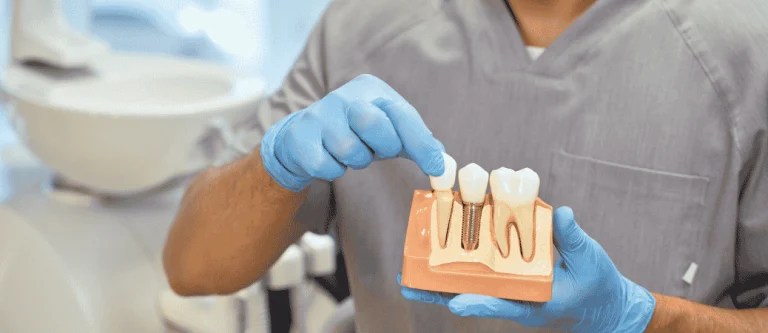
Many people in this stage of life have crowns, bridges, fillings, or implants already in place. These restorations are durable, but they still need attention. The natural tooth around a filling or crown can develop new decay, and gums can change around a bridge or implant. Regular visits let us check that your existing dental work is still doing its job and catch any small concern before it grows. Good home care protects your restorations just as much as it protects your natural teeth.

Warning Signs Worth a Phone Call
Part of protecting your teeth is knowing when to reach out. A few signs are worth a call to our office rather than waiting for your next scheduled visit.
Gums that bleed easily, look red, or feel tender can be an early sign of gum inflammation. Persistent bad breath, a loose tooth, or gums that are pulling away from the teeth also deserve attention. Ongoing sensitivity to hot or cold, or a tooth that has become uncomfortable to chew on, is worth mentioning as well.
Catching these things early almost always means simpler, more comfortable care. There is no need to feel worried about reaching out. We would much rather hear from you sooner than later.
How Regular Exams Protect You
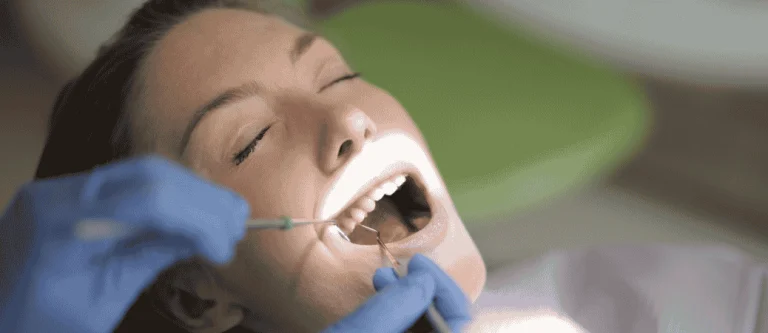
Cleanings keep your teeth fresh, and exams keep you informed. During a routine exam, we look closely at your teeth, gums, and existing dental work, and we take X-rays when needed to see what is happening beneath the surface.
This is how small issues get caught while they are still small. A tiny area of decay is far easier to address than one that has been left to grow. Regular exams give us the full picture of your oral health so we can help you keep your natural teeth for as long as possible. Think of each visit as a checkpoint that keeps your smile on track.
Staying Comfortable at the Dentist
If visiting the dentist has ever felt stressful, you are far from alone, and your comfort matters to us. We take time to explain what we are doing, answer your questions, and move at a pace that feels right for you. A relaxed, no-pressure visit is something we care about deeply.
Feeling comfortable also makes it easier to keep up with regular care, which is what protects your smile in the long run. When a visit is calm and friendly, those twice-a-year appointments become something you can feel good about rather than something to put off.
Small Steps, Lasting Results
Protecting your natural teeth after 55 does not require anything dramatic. It comes down to steady daily habits, sensible adjustments as your mouth changes, and consistent professional care that catches small concerns early. Each small step adds up to a healthy, comfortable smile you can count on for years.
At Florida Dental Implant Center, we are happy to be your partner in that ongoing care. Whether you are due for a cleaning, have a question about your gums, or simply want a friendly team that knows you by name, we are here whenever you need us. Your healthy, confident smile is worth protecting, and a little consistent attention goes a long way.