When you lose a tooth, it may not hurt after the area heals. You might feel tempted to wait months or even years before replacing it.
But your jaw does not stay the same once a missing tooth leaves a space. And eventually you start seeing delaying dental implants consequences.
Bone loss can begin within the first 3 to 6 months after tooth loss, and it continues over time if you do not replace the tooth.
Your jawbone needs pressure from a tooth root to stay strong. Without it, the bone in that area slowly shrinks, which can affect your bite and overall oral health.
If you act early, you often keep more treatment options open and avoid more complex care later. Understanding the timeline helps you protect your smile and make a smart plan for your long-term health.
Key Takeaways
- Bone loss often starts within months after a missing tooth is removed.
- Waiting too long can affect your jawbone, nearby teeth, and bite.
- Early planning helps protect your oral health and keeps options simple.
Table of Content
- What Happens When a Tooth Is Lost
- The Timeline of Bone Loss After Tooth Extraction
- Risks of Waiting Too Long to Replace a Missing Tooth
- Replacement Options and Timing Considerations
- Special Circumstances and Patient Concerns
- Frequently Asked Questions
What Happens When a Tooth Is Lost
When you lose a tooth, your body reacts right away. Changes start in the bone, then spread to your bite, chewing, and even the way you speak.
Immediate Biological Changes After Tooth Loss
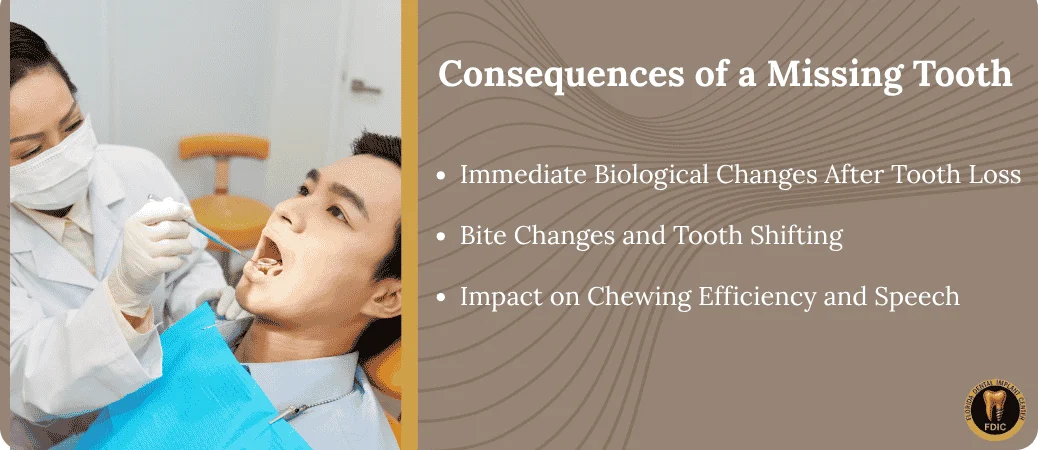
The moment a tooth is removed or falls out, the bone that once held the root loses stimulation. Your jawbone depends on the pressure from chewing to stay strong.
Without that pressure, the bone in the empty space begins to shrink. Research shows that bone loss can begin within the first few months. The fastest changes often happen during this early period.
You may not see these changes right away. However, the ridge of bone under the gums can become thinner and shorter over time.
This affects your oral health and can make future treatment, like dental implants, more complex.
Bite Changes and Tooth Shifting
A missing tooth leaves a gap, and your other teeth respond to it. Teeth naturally lean on each other for support. When one is gone, nearby teeth can start shifting into the open space.
This process is known as teeth shifting. It can lead to uneven spacing and crowding. You may notice your bite feels different when you close your mouth.
Opposing teeth can also move. For example, a top tooth may drift downward if the bottom tooth is missing. These bite changes can cause uneven wear, jaw strain, and more plaque buildup in hard-to-clean areas.
Over time, shifting teeth can affect your overall oral health and make future replacement more difficult.
Impact on Chewing Efficiency and Speech
Each tooth plays a role in breaking down food. When you lose one, your chewing efficiency drops. You may start chewing more on one side, which puts extra stress on certain teeth and jaw muscles.
This uneven pressure can lead to soreness or faster wear. Molars are especially important for grinding food. Losing one can change how well you chew tougher foods.
Tooth loss can also affect speech. Front teeth help control airflow for certain sounds. Without them, you may notice slight speech changes, such as a lisp or difficulty pronouncing “s” or “th” sounds.
A missing tooth does more than change your smile. It can slowly affect how you eat, speak, and use your bite every day.
The Timeline of Bone Loss After Tooth Extraction
Bone resorption starts soon after a tooth extraction, and the biggest changes often happen in the first few months.
If you plan to replace missing teeth, timing affects how much jawbone loss you face and how complex treatment becomes.

Bone Resorption and Jawbone Loss Milestones
When you lose a tooth, your jaw no longer receives pressure from chewing in that spot. Your body responds by breaking down unused bone. This process is called bone resorption.
In the first 1–2 weeks after a tooth extraction, your body focuses on healing the socket. A blood clot forms, and new tissue begins to grow. Bone loss has already started at a microscopic level.
Between 2 weeks and 3 months, bone loss speeds up. Research shows the jaw can lose about 30% of its width in the first 3 months after extraction.
From 3 to 12 months, shrinkage continues, though at a slower pace. Studies report that up to 50% of ridge width can be lost within 12 months if you do not replace the tooth.
How Fast Jawbone Shrinkage Occurs
Jawbone shrinkage does not wait for symptoms. It often begins within weeks. You may not feel pain, but the shape of your bone changes under the gums.
Most bone loss happens in the first 3–6 months. The jaw tends to shrink more in width than in height at first. This can limit space for a future dental implant.
If you wait a year or more, the bone may become too thin for simple implant placement. You might then need grafting to rebuild what was lost.
The longer you leave missing teeth untreated, the more jawbone loss you can expect.
Early Warning Signs and Consequences
Early jawbone loss often has no clear symptoms. You may not notice changes right away.
Over time, you might see:
- A sunken look near the missing tooth
- Gaps widening between teeth
- Changes in how your bite feels
- Food getting trapped more easily
As bone resorption continues, nearby teeth can shift into the empty space. This movement can change your bite and increase wear on other teeth.
Jawbone loss can also affect dentures. Less bone means less support, which can cause slipping.
If you plan to prevent bone loss, ask about socket preservation at the time of tooth extraction or replace the tooth soon after healing.
Acting early helps protect your bone and keeps future treatment simpler.
Risks of Waiting Too Long to Replace a Missing Tooth
When you leave a gap in your smile, your mouth does not stay still. Teeth move, pressure shifts, and the bone that once held your tooth begins to shrink.
Bite Misalignment and Shifting Teeth Issues
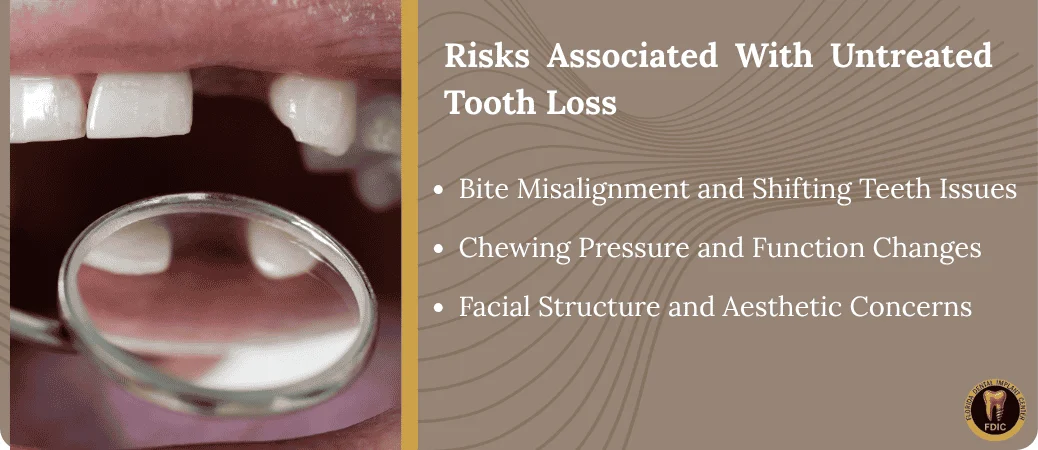
Your teeth rely on each other for support. When one tooth is missing, the nearby teeth often start to drift into that empty space. This leads to shifted teeth and uneven spacing.
As teeth move, you can develop bite misalignment. Your upper and lower teeth may no longer meet the way they should. Even small changes in alignment can cause jaw strain or uneven wear.
You may also notice:
- Food getting stuck more often
- New gaps between teeth
- Increased risk of decay in crowded areas
Once bite changes set in, you may need orthodontic treatment before you can fully restore function with an implant or bridge.
Chewing Pressure and Function Changes
Every time you chew, your teeth share the load. When one tooth is gone, that chewing pressure shifts to the remaining teeth.
This extra stress can wear down certain teeth faster. It can also make chewing feel uneven or uncomfortable. Over time, reduced chewing efficiency may affect how well you break down food.
The jawbone under the missing tooth also changes. Without a tooth root to stimulate it, the bone begins a process called bone resorption. This leads to jawbone loss, which can start within months.
When bone shrinks and pressure stays uneven, it becomes harder to fully restore function later without extra procedures.
Facial Structure and Aesthetic Concerns
Your teeth support more than your bite. They also help maintain the shape of your lower face.
When jawbone loss progresses, the area around the missing tooth can sink slightly. In back teeth, you may not see the change right away. In front teeth, the gap can affect your smile and speech.
Ongoing bone resorption can also:
- Change how your lips rest
- Create a sunken look near the cheeks
- Make dentures or bridges fit poorly over time
Replacing the tooth helps protect your bone and supports a more stable facial structure.
Replacement Options and Timing Considerations
You have several ways to replace a missing tooth, and timing affects which option works best. Bone levels, gum health, and how long the space has been empty all guide the choice.
Dental Implants and Bone Grafting Needs
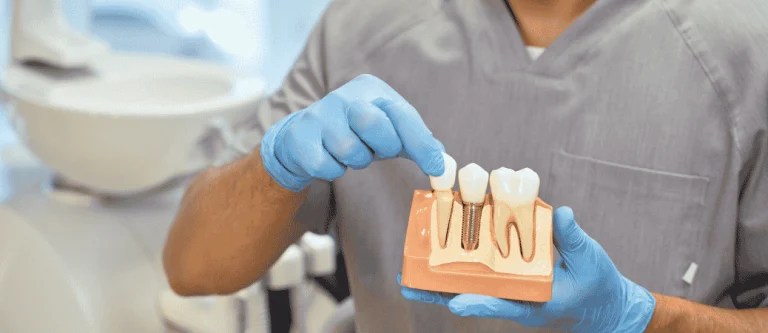
A dental implant replaces the root of your missing tooth. Your dentist places a small titanium post in your jawbone, then adds a crown on top.
Bone loss often begins within the first year after you lose a tooth. In fact, most bone shrinkage happens in the first few years, which can make implant placement harder later.
If you have mild bone loss, your dentist may suggest a bone graft. Bone grafting adds material to rebuild lost bone and create a stable base for dental implants.
In the upper back jaw, you may also need a sinus lift to raise the sinus floor and add bone height.
In severe cases, too much bone loss can limit your options.
Dental Bridges and Partial Dentures
If you cannot get an implant, you can still replace a missing tooth with a dental bridge or partial denture.
A traditional dental bridge uses crowns on the teeth next to the gap to hold a false tooth in place.
A bonded bridge attaches with metal or ceramic wings and removes less tooth structure, but it may not last as long under heavy biting force.
An implant-supported bridge anchors to implants instead of natural teeth. This option works well when you miss several teeth in a row.
A removable partial denture replaces one or more teeth and can come out for cleaning. It costs less than implants, but it does not stop bone loss in the same way because it does not replace the root.
Immediate, Early, and Delayed Placement Differences
Timing plays a major role in tooth replacement.
- Immediate placement: Your dentist places the implant at the same visit as the extraction.
- Early placement: The site heals for a few weeks before implant surgery.
- Delayed placement: You wait several months or longer after extraction.
You can usually wait about three to six months before replacing a missing tooth, but waiting longer increases the risk of bone shrinkage.
Immediate or early placement may reduce bone loss and shorten treatment time. Delayed placement often requires bone grafting and can extend healing.
Orthodontic Correction and Interim Solutions
In some cases, you may not need to replace a tooth at all. Orthodontic correction can move nearby teeth to close the gap, especially if you already need braces or aligners.
If you plan for a future implant but need time to save money or heal, your dentist may suggest an interim option. Common short-term choices include:
- A temporary removable partial denture
- A flipper tooth
- A bonded bridge for front teeth
These options protect the space and improve appearance. However, they do not prevent bone loss the way a dental implant does, so you should still plan long-term tooth replacement with your dentist.
Special Circumstances and Patient Concerns
Your health history, age, comfort level, and budget all affect how soon you should replace missing teeth. Bone loss can start within months, but your personal situation may change the timeline and the best treatment choice.
Managing Dental Anxiety and Finances

Dental anxiety often leads you to delay tooth replacement. You may avoid appointments because of fear of pain, needles, or bad past experiences.
Tell your dentist about your anxiety. Many offices offer options such as:
- Oral sedation
- Nitrous oxide (laughing gas)
- Short, low-stress visits
These tools help you move forward before bone loss makes treatment harder.
Finances also play a big role. Implants cost more upfront than bridges or partial dentures. But waiting can raise costs if you later need bone grafting due to shrinkage in the jaw.
Ask for:
- Payment plans
- Phased treatment
- Insurance breakdowns in writing
Acting within the first 3–6 months after tooth loss may lower the need for extra procedures later.
Options for Multiple Missing Teeth
If you have several missing teeth, bone loss can spread across larger areas of your jaw. This can change your bite and place more stress on the remaining teeth.
You may notice:
- Teeth shifting
- Difficulty chewing
- Changes in speech
Treatment depends on how many teeth you lost and where they were located.
Common options include:
- Implant-supported bridges
- Implant-supported dentures
- Removable partial dentures
Implants help stimulate the jawbone and slow bone shrinkage. Removable dentures restore appearance and function but do not stop bone loss the same way.
If you delay treatment for years, your dentist may need to rebuild the ridge with grafting before placing implants. Early planning protects your bite and jaw shape.
Considerations for Children, Teens, and Older Adults
Age changes how you approach tooth replacement.
For children and teens, the jaw is still growing. Dentists often delay implants until growth stops. In the meantime, you may use:
- A removable appliance
- A temporary bridge
These options hold space and reduce shifting until a permanent solution is safe.
For older adults, bone density may already be lower. Medical conditions like diabetes or osteoporosis can affect healing. You should review your full health history before surgery.
If you wear dentures and notice they feel loose, bone loss may already be happening. A reline, new denture, or implant-supported option can improve stability and slow further changes in your jaw.
Frequently Asked Questions
Bone loss can begin within months after you lose a tooth, and it can affect your bite, facial shape, and future treatment options. Acting early often keeps your choices simpler and less costly.
How soon should I replace a missing tooth to help prevent jawbone loss?
You should talk to your dentist as soon as possible, ideally within the first few weeks after the tooth is removed.
Research shows that the jawbone can start shrinking within the first three to six months. Acting during this early window gives you the best chance to preserve bone with a graft or even place an implant right away when appropriate.
If you wait too long, you may need extra procedures before you can replace the tooth.
When does bone loss typically begin after a tooth is removed or falls out?
Bone loss can begin soon after the tooth is gone. The most rapid changes often happen in the first three to six months.
Without the tooth root to stimulate the bone, your body starts to break down that area. According to this overview on bone loss due to missing teeth, the bone first loses width and then may lose height over time.
Even after the first year, the process can continue at a slower rate.
What factors can make bone loss happen faster after losing a tooth?
Your overall health plays a role. Smoking, gum disease, and uncontrolled diabetes can speed up bone loss.
The location of the missing tooth also matters. Front teeth may show visible changes faster, while upper back teeth can lose bone height near the sinus area.
If you leave the space empty for a long time, nearby teeth can shift. This movement adds stress and can increase bone changes.
Can a dental implant still be placed if I’ve waited a long time to replace a missing tooth?
In many cases, yes. However, you may need a bone graft first.
If the bone has shrunk in width or height, your dentist may recommend ridge augmentation or a sinus lift before placing the implant. These steps rebuild the area so it can hold the implant securely.
Treatment may take longer, but many people can still receive implants even after years of waiting.
What are the signs that my jawbone or gums are changing after a tooth goes missing?
You might notice that your bite feels different. Food may trap more easily in the gap.
Dentures or partials may start to feel loose. Your lips may look less supported, or the area around your mouth may appear slightly sunken.
You may also see nearby teeth tilt toward the empty space. This shift can change how your upper and lower teeth meet.
If I can’t replace the tooth right away, what temporary options can help protect the area?
Ask your dentist about a temporary partial denture or flipper. This option fills the space and helps limit tooth movement.
In some cases, your dentist can place a socket graft at the time of extraction. This step helps preserve bone even if you plan to delay the final implant or bridge.