A cracked tooth can be painful and confusing, leaving you wondering whether you need a root canal or if the tooth should be extracted.
The treatment you need depends on how deep the crack goes, where it’s located, and whether it has reached the tooth’s root or nerve.
Making the right choice affects not just your immediate comfort but also your long-term oral health.
The good news is that many cracked teeth can be saved with proper treatment. Dentists now have better ways to diagnose cracks and determine which ones can be repaired versus which ones need removal.
Understanding the difference between treatable cracks and more serious fractures helps you make informed decisions about your dental care.
Your dentist will look at several factors before recommending treatment. These include the type of crack you have, whether infection is present, and how much healthy tooth structure remains.
Research shows that cracked teeth with certain characteristics can have success rates of 82-96% when treated properly with root canals and dental crowns.
Key Takeaways
- Treatment depends on crack depth and location, with shallow cracks often treatable and deep root cracks sometimes requiring extraction
- Root canals paired with crowns can save most cracked teeth when treatment happens quickly and the crack hasn’t split the tooth completely
- Getting prompt diagnosis and following your dentist’s treatment plan gives your cracked tooth the best chance of survival
Table of Content
- Identifying the Types and Severity of Tooth Cracks
- Common Symptoms and Diagnostic Methods
- Treatment Options for Cracked Teeth
- Deciding Between Root Canal and Extraction
- Working with Dental Professionals for Optimal Outcomes
- Frequently Asked Questions
Identifying the Types and Severity of Tooth Cracks
Not all cracks in your teeth are the same, and knowing which type you have helps determine if you need simple cosmetic work or more serious treatment like a root canal.
The severity of the crack ranges from tiny surface lines that cause no harm to deep fractures that can split your tooth in half.

Craze Lines and Their Effects
Craze lines are tiny, shallow cracks that only affect the outer layer of your tooth called the enamel. These are the most common type of crack and almost everyone gets them as they age.
You won’t feel any pain from craze lines because they don’t go deep enough to reach the sensitive parts of your tooth.
They look like thin vertical lines on the surface of your teeth, similar to the fine cracks you might see in old pottery.
Craze lines require no treatment in most cases. Your dentist might polish them or use cosmetic bonding if you don’t like how they look, but they don’t threaten the health of your tooth.
These surface cracks won’t turn into bigger problems over time.
Understanding Fractured Cusps
A fractured cusp happens when a piece of your tooth’s chewing surface breaks off, usually around a filling. The cusps are the pointed parts on top of your back teeth that you use to chew food.
This type of crack typically doesn’t cause severe pain because it rarely damages the pulp inside your tooth where the nerves live. You might feel some discomfort when you chew or notice a sharp edge with your tongue.
Fractured cusps don’t usually need a root canal. Your dentist can fix them with a crown that covers and protects what’s left of your tooth.
The crown restores your ability to chew normally and prevents further damage to the weakened tooth structure.
Cracked Tooth and Split Tooth Progression
A cracked tooth means you have a fracture that starts at the chewing surface and extends down toward the root. These cracks can get worse over time if you don’t treat them.
Cracked tooth syndrome causes sharp pain when you bite down and release pressure. The pain often comes and goes, which makes it hard to figure out which tooth is the problem.
Cold temperatures can also trigger sudden discomfort.
Treatment depends on how far the crack extends:
- Cracks above the gum line may need just a crown
- Cracks reaching the pulp require a root canal and crown
- Cracks extending below the gum line often can’t be saved
A split tooth is what happens when a cracked tooth goes untreated for too long. The crack travels all the way through the tooth and divides it into separate pieces.
At this stage, you usually can’t save the entire tooth, though a dentist might be able to save one portion of it.
Vertical Root Fractures Explained
Vertical root fractures start at the root below the gum line and travel upward toward the chewing surface. These are the hardest cracks to detect because they often cause minimal symptoms until an infection develops.
You might notice mild pain when you bite down or see swelling in your gums above the crack. These fractures often occur in teeth that already had root canal treatment, making them more fragile.
Vertical root fractures usually mean you need to extract the tooth. The crack location makes it nearly impossible to repair successfully.
Your dentist might use special imaging like cone-beam scans to confirm this type of fracture before recommending teeth replacement and extraction options.

Common Symptoms and Diagnostic Methods
Figuring out if you have a cracked tooth or need a root canal starts with recognizing specific symptoms and getting the right tests.
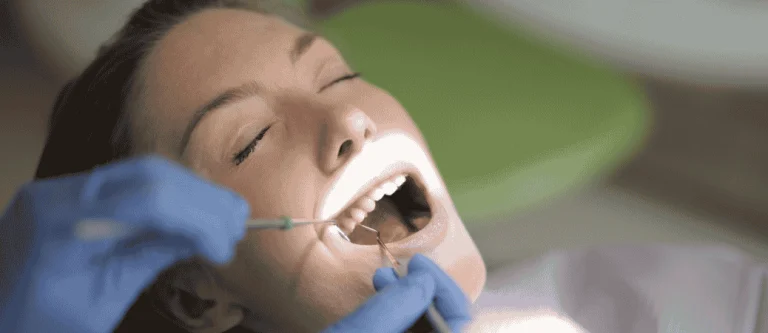
Your dentist uses a combination of physical exams, specialized tools, and imaging to determine what’s happening inside your tooth.

Tooth Pain and Sensitivity
Cracked teeth cause erratic pain when you chew or bite down on food. You might feel sharp discomfort when you release the bite, which is a telltale sign of a crack.
Tooth sensitivity to hot or cold temperatures is another common symptom. The pain may come and go, making it hard to pinpoint which tooth is bothering you.
You might notice the discomfort gets worse when eating certain foods or in specific situations. Some people feel pain only when biting at certain angles.
Others experience constant dull aching that flares up unpredictably throughout the day.
Bite Tests and Periodontal Probing
Your dentist performs a bite test by having you chew on a special tool to see if it triggers pain. This helps identify exactly where the crack is located and how severe it might be.
Periodontal probing checks the gums and supporting structures around your tooth. Your dentist uses a thin instrument to measure pocket depths and look for signs of damage below the gum line.
These tests help determine if the crack extends into the root or if infection has developed. Your dentist may also check how your tooth responds to temperature changes.
They tap on different teeth to compare your reactions and narrow down the problem area.
The Role of CBCT 3D Imaging and Dental Check-ups
CBCT 3D imaging provides detailed views of your tooth structure that regular X-rays can’t show. This technology reveals the exact location and depth of cracks, helping your dentist plan the right treatment.
Regular dental exams catch problems early before they get worse. A cracked tooth that needs only a crown today might need a root canal next month if the crack spreads.
Imaging helps distinguish between tooth cracks and root fractures, which require different treatments. Your dentist may use microscopes and other advanced tools during the exam.
Early detection through routine visits gives you more treatment options and better outcomes.
Treatment Options for Cracked Teeth
The treatment your dentist recommends depends on how deep the crack goes and whether it has reached the inner pulp of your tooth.
Minor cracks might need only simple repairs, while deeper damage could require root canal therapy or extraction.
When a Dental Crown Is Sufficient
A dental crown works well for moderate cracks that haven’t reached the tooth’s nerve. Your dentist will shape your tooth and place a cap over it to hold the pieces together and protect it from further damage.
Crowns are ideal when:
- The crack is above the gum line
- The tooth pulp isn’t infected
- The tooth structure is still strong enough to support a crown
The procedure usually takes two visits. During the first appointment, your dentist prepares the tooth and takes impressions. You’ll wear a temporary crown until the permanent one is ready.
A crown can last 10 to 15 years with proper care. Getting a crown today might save you from needing a root canal later if the crack spreads.
Root Canal Therapy to Save Your Tooth
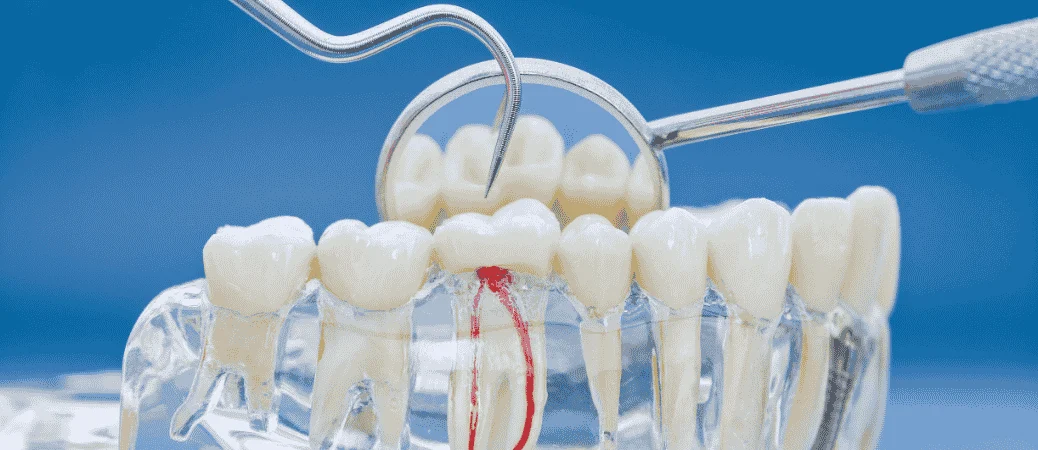
You’ll need root canal treatment when the crack extends into the pulp where the nerves and blood vessels live. This happens when bacteria enter through the crack and cause infection or inflammation.
Signs you might need a root canal include:
- Sharp pain when biting down
- Sensitivity to hot or cold that lingers
- Swelling near the affected tooth
- Discoloration of the tooth
During root canal therapy for a cracked tooth, your dentist removes the infected pulp and seals the tooth. Most root canal treatments also require a crown afterward to protect the weakened tooth structure.
The good news is that most cracked teeth continue to function normally for many years after treatment. Root canal therapy lets you keep your natural tooth instead of losing it.
Tooth Extraction and Tooth Loss
Sometimes a crack is too severe to save your tooth. Extraction becomes necessary when the crack extends below the gum line or splits the tooth vertically into the root.
Your dentist will recommend tooth removal if:
- The crack reaches the tooth root
- There isn’t enough healthy tooth structure left
- The crack has caused bone loss around the tooth
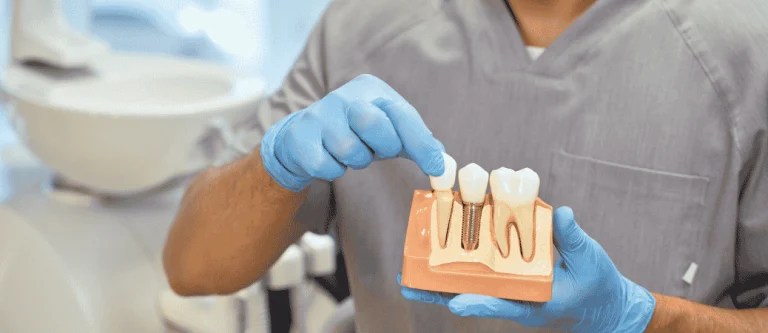
After extraction, you have several options to replace the missing tooth. Dental implants are the most popular choice because they look and function like natural teeth. Bridges and partial dentures are other alternatives.
Waiting too long to treat a cracked tooth increases your risk of needing extraction. What could be saved with a root canal today might become unsaveable if you delay treatment.
Alternatives: Bonding, Fillings, and Dentures
Minor cracks have simpler treatment options that don’t require crowns or root canals. Dental bonding uses tooth-colored resin to fill small cracks and restore your tooth’s appearance.
This works well for superficial cracks that only affect the outer enamel.
Fillings can repair slightly larger cracks if the damage hasn’t reached the pulp. Your dentist removes any damaged tooth structure and fills the space with composite material.
For very minor surface cracks called craze lines, you might only need polishing or veneers. These tiny cracks are common and usually don’t cause pain or require extensive treatment.
If you’ve already lost teeth due to severe cracks, a denture can replace multiple missing teeth. Full dentures replace all teeth in your upper or lower jaw, while partial dentures fill gaps between remaining teeth.
Modern dentures look natural and help you eat and speak normally.
Deciding Between Root Canal and Extraction
A cracked tooth doesn’t always need the same treatment, and your dentist will consider several factors before recommending a root canal or extraction.
The depth of the crack, the health of your tooth pulp, and how quickly you seek treatment all play important roles in which option works best for you.
Does a Cracked Tooth Need a Root Canal?
Not every cracked tooth requires a root canal procedure. Minor cracks that only affect the outer enamel may only need smoothing or a filling to protect the tooth.
However, you’ll likely need a root canal if the crack extends into the tooth pulp, which contains nerves and blood vessels.
Signs that your crack has reached the pulp include sharp pain when biting, sensitivity to hot or cold that lingers, or constant throbbing. When bacteria reach the damaged pulp, infection can spread quickly.
Deep cracks that go below the gum line or split the tooth vertically often can’t be saved with a root canal. In these cases, extraction becomes necessary.
Your dentist will take X-rays and examine the crack’s location and depth to determine if the tooth structure can support restoration after a root canal.
Factors That Influence Treatment Decisions
Several key factors help determine whether a root canal or extraction is right for you. The tooth’s structural integrity matters most. If too much natural tooth remains damaged, it won’t support a crown after treatment.
Your gum health and bone structure around the tooth also affect the decision. Advanced bone loss from infection may make saving the tooth impossible. The tooth’s position in your mouth plays a role too.
Back molars with multiple roots and cracks may be harder to save than front teeth.
Cost considerations include both immediate and long-term expenses. While extraction might seem cheaper initially, replacing the missing tooth with an implant or bridge often costs more than a root canal and crown.
Your overall oral hygiene habits matter because saved teeth need proper care to prevent future problems.
Risks of Delaying Treatment
Waiting to treat a cracked tooth can lead to serious complications. Bacteria quickly enter through cracks and infect the tooth pulp, causing pulp necrosis where the tissue dies.
An untreated infection doesn’t stay contained. It spreads to surrounding bone and tissue, creating painful abscesses. You might develop facial swelling, fever, or difficulty swallowing.
The longer you wait, the more likely you’ll need extraction instead of a root canal. Teeth that could have been saved with early treatment may become too damaged to restore.
Bone loss around the infected tooth makes future implant placement more difficult and expensive.
Tooth loss from delayed treatment affects more than just one tooth. Neighboring teeth shift into the gap, changing your bite alignment. This creates chewing problems and increases wear on other teeth.
Working with Dental Professionals for Optimal Outcomes
Getting the right treatment for a cracked tooth depends on working closely with dental professionals who can assess your specific situation and guide you through the process.
Regular care and communication with your dental team makes a big difference in saving your tooth and preventing future problems.

The Role of Your Dentist and Endodontist
Your general dentist is usually the first person to spot a crack during routine dental check-ups. They will examine your tooth and may take X-rays or use special tests to figure out how deep the crack goes.
If your crack is minor and stays on the tooth’s surface, your dentist can often handle the treatment. They might place a crown or use bonding to protect the tooth.
For deeper cracks that affect the pulp or extend toward the root, your dentist will refer you to an endodontist.
An endodontist is a specialist who focuses on saving a cracked tooth through root canal treatment and other advanced procedures.
The endodontist uses special tools like microscopes to see exactly where the crack extends. This helps them decide if a root canal can save your tooth or if extraction is necessary.
Importance of Follow-Up and Prevention
After treatment, you need to follow up with your dental team to make sure your tooth heals properly.
If you get a root canal, your dentist will schedule appointments to check that your crown fits correctly and your bite feels comfortable.
Good oral hygiene protects your treated tooth and prevents new cracks. Brush twice daily and floss regularly to keep bacteria away from treated areas.
Avoid chewing on hard objects like ice or hard candy. If you grind your teeth at night, ask your dentist about a night guard to protect your teeth from extra pressure.
Schedule dental check-ups every six months so your dentist can catch small problems before they become serious.
Regular visits help you keep your natural teeth longer and avoid more complicated treatments down the road.
Frequently Asked Questions
People often have similar questions when dealing with tooth pain and trying to figure out what treatment they need. The answers depend on the type of damage, how far it extends, and whether the inner pulp is affected.
What symptoms suggest my tooth is cracked rather than needing a root canal?
Sharp pain when you bite down or release pressure is the main sign of a cracked tooth. The pain usually comes and goes instead of being constant.
You might also feel discomfort when eating hot or cold foods. The pain from a crack often happens in a specific spot when you chew a certain way.
A tooth that needs a root canal typically causes constant, throbbing pain. You might notice swelling in your gums or sensitivity that doesn’t go away. The pain often keeps you up at night and gets worse over time.
How can my dentist tell whether I need a root canal or a tooth extraction?
Your dentist will look at how deep the crack goes and whether it can be fixed. They’ll use special tools and lights to find cracks that are hard to see.
X-rays and 3D scans help show if the crack goes below the gum line or into the root. Modern dentists can identify crack-associated periodontal pockets that appear on scans near the crack.
When the nerve becomes damaged or infected, your dentist will decide between these two main options.
A crack that goes across the floor of the pulp chamber or creates a complete split usually means the tooth can’t be saved.
Can a cracked tooth be saved with a root canal, or will it need to be pulled?
Many cracked teeth can be saved with a root canal and crown. Studies show success rates of 82-96% for deeply cracked teeth when treated properly.
The treatment depends on where the crack is and how far it goes. Cracks that only affect the top part of the tooth above the gum line have the best chance of being saved.
You’ll need a crown placed quickly after the root canal to keep the crack from getting worse. A tooth that waits too long for treatment might go from needing just a crown to needing a root canal or even extraction.
When is a cracked back molar better treated with a root canal instead of extraction?
Back molars that are cracked but still have most of their structure intact can often be saved. The crack should not go completely through the tooth or extend far down the root.
Your dentist will check if the crack has reached the nerve. If bacteria have gotten into the pulp through the crack, a root canal removes the infection while keeping your natural tooth.
Saving your natural tooth is usually better than pulling it. You avoid the need for an implant or bridge and keep normal chewing function on that side of your mouth.
Is a broken tooth that already had a root canal considered a dental emergency?
A tooth that breaks after a root canal needs attention soon but isn’t always an emergency. If you have severe pain, bleeding that won’t stop, or sharp edges cutting your mouth, call your dentist right away.
Teeth with root canals can become more brittle over time. The break might just need a new crown or filling if it’s not too deep.
Call your dentist within a day or two even if you don’t have pain. Waiting too long lets bacteria get in and can cause new problems that are harder to fix.
Why might a tooth break after a root canal before the crown is placed?
Teeth become weaker after root canal treatment because the inside structure is removed. Without a crown to protect it, the tooth can crack when you bite down on hard foods.
The tooth has less moisture after losing its blood supply. This makes it more likely to break under normal chewing pressure.
Getting your crown placed quickly protects the tooth from breaking. Your dentist might take the tooth out of your bite temporarily and tell you not to chew on that side until the crown is ready.